
If this is your first time thinking about trekking in Everest region, you are probably somewhere between excited and completely overwhelmed, which is normal. Almost everyone starts there. The Everest Region sounds kind of simple but once you get into routes, Lukla flights and acclimatization, it quickly becomes confusing.
Here is the honest truth Trekking in Everest Region is not complicated, but it is also not something you should take lightly. If you understand a few basic things before you go, your experience becomes much smoother. If you ignore them, even a moderate trek can feel harder.
Table of Contents
Understanding what Everest Region Trek is like
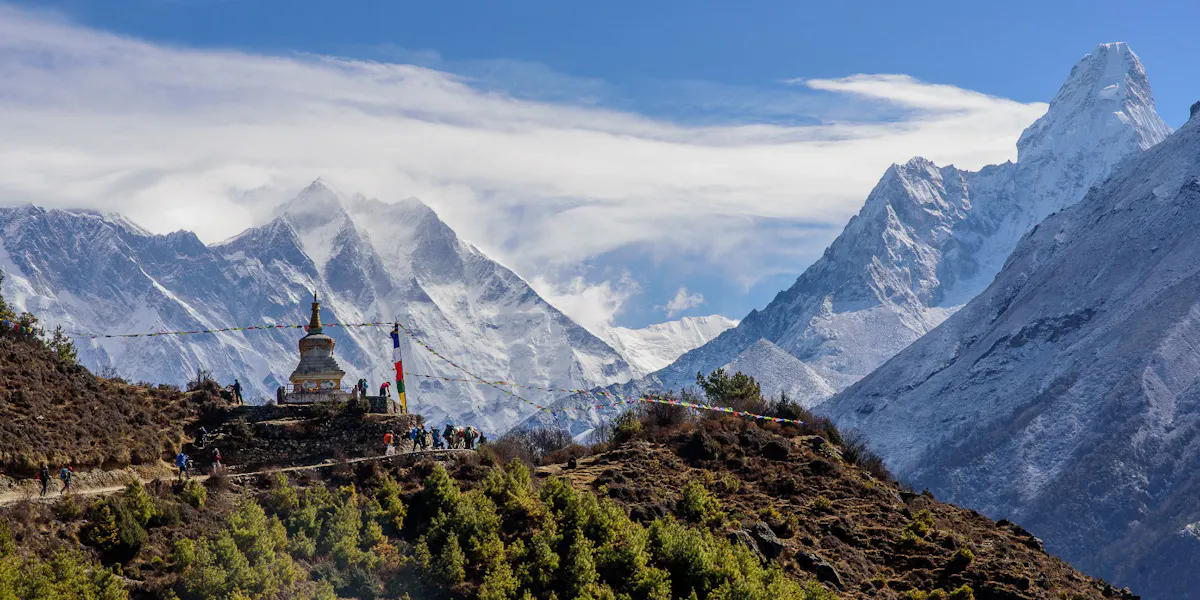
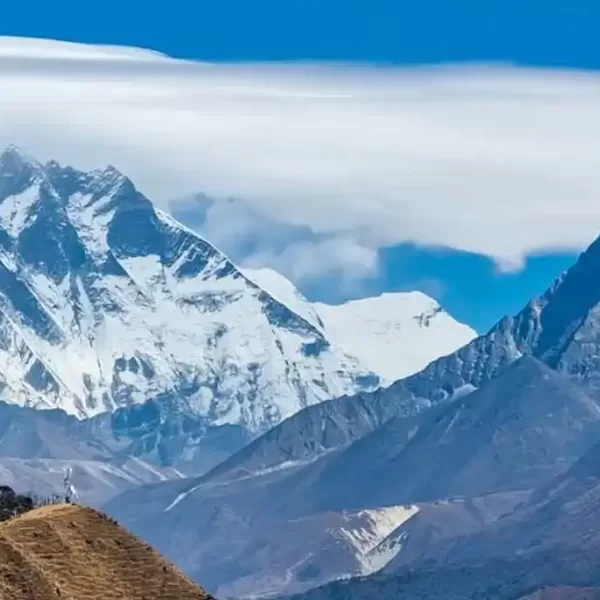
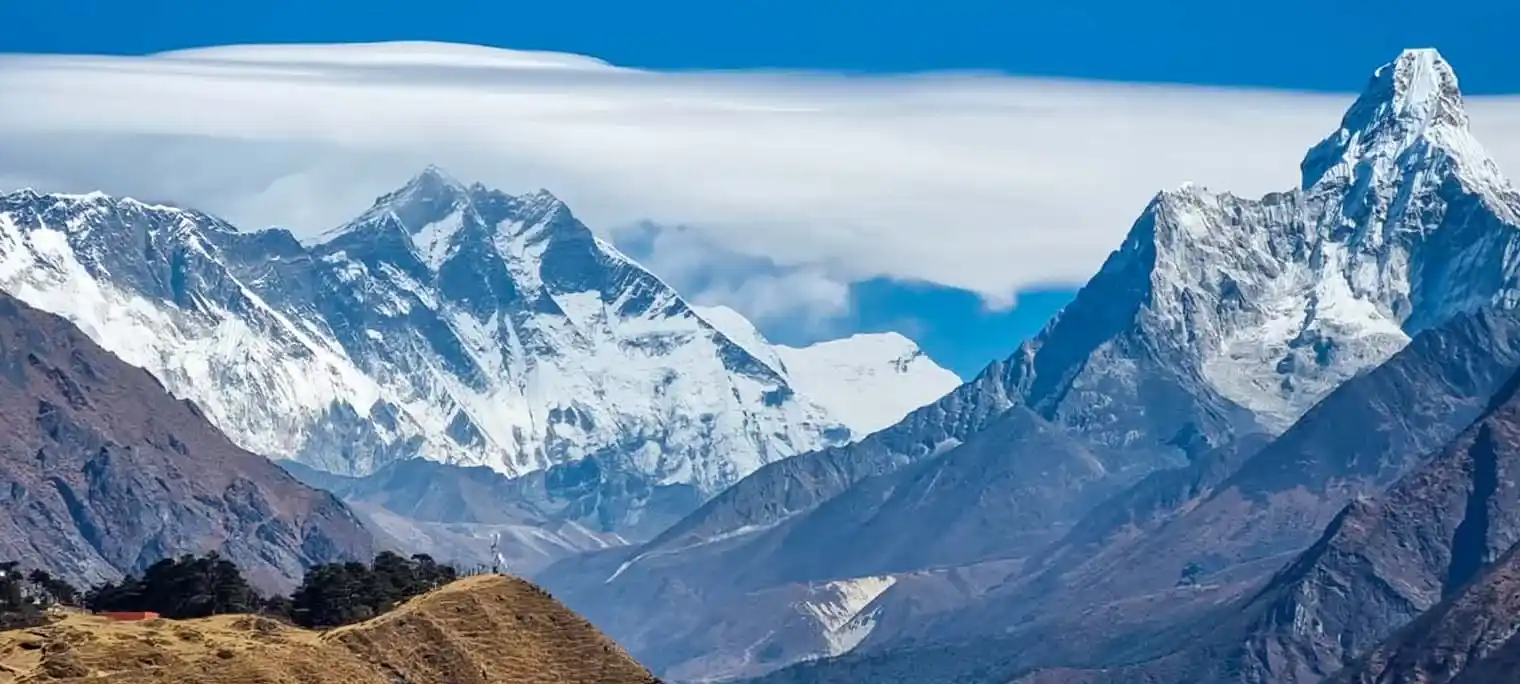
The Everest region lies in the Khumbu Valley of north eastern Nepal, inside the Sagarmatha National Park. It is one of the most popular trekking regions in the world and attracts people who want to experience high Himalayan landscapes, Sherpa villages, and views of Mount Everest.
This region is not just one trail. It is a collection of trekking routes that pass through different valleys and settlements, each offering a slightly different experience. Some routes are more popular and well developed, while others are quieter and less crowded, but all of them share the same dramatic mountain environment and high altitude conditions.
How to Reach the Everest Trekking Region
Most people reach the Everest region by taking a flight from Kathmandu to Lukla. This is the fastest and most common way to start the trek because it takes you straight into the heart of the Khumbu Valley without spending extra days on the road.
Lukla airport is small and a bit intense for first timers. The runway is short, the weather changes quickly, and flights often depend on clear conditions. It can feel a little chaotic, but that is also part of the experience and something most trekkers remember clearly.
There are other ways to reach the region like driving to lower Solukhumbu and then trekking up, but that takes a lot more time and energy. Because of that, most trekkers choose the flight option since it is practical and widely used. The flight itself becomes part of the adventure, not just transport, and it sets the tone for the whole Everest journey.
Permits and Entry Requirements for Everest Region

Trekking in the Everest region is not something you can just start without official permission. Every trekker needs a Sagarmatha National Park entry permit along with a local Khumbu municipality fee. These are basic requirements and are checked at different points along the trail.
If you are trekking through a registered company like Nepal Trekking Routes, most of this is arranged for you. But if you are planning independently, you still need to manage these permits before entering the region. There is no shortcut here, and trying to skip it is not realistic.
How Much Does Trekking in the Everest Region Cost?
The cost of trekking in the Everest region depends on the route, duration, and the kind of service you choose. A standard Everest Base Camp trek usually costs around USD 1,200 to 2,000 per person with a guide and basic services included. Shorter options like the Everest View Trek can come lower, usually around USD 1100 to 1,300, depending on the itinerary and inclusions.
More challenging routes like the Everest Three Passes Trek can go higher, often around USD 1,800 to 2,800, because of extra trekking days, food, accommodation, and support required on longer and tougher routes. On the other hand, Everest Helicopter Tours are completely different in pricing, usually starting from USD 1,200 and going up to 5,000+, depending on whether it is a shared or private flight.
How Difficult is Trekking in the Everest Region?
Trekking in the Everest region is not technically difficult, but it is not easy either. There is no climbing involved on most routes, so you do not need ropes or mountaineering skills. That is where many first timers get the wrong idea and assume fitness alone is enough.
The real difficulty comes from altitude and repeated walking days. As you go higher, the air gets thinner and your body starts working harder even on simple trails. You might feel completely fine at lower elevations, then suddenly feel slow and drained once you pass certain altitudes. That change is normal in the Khumbu region and affects almost everyone.
Among all the routes here, the Everest Three Passes Trek is the most difficult. It is not just a longer version of Everest Base Camp. It includes multiple high passes, long demanding days, and constant elevation changes that push both physical and mental limits much more than standard routes.
Popular Trekking Options in Everest Region

There are several trekking routes in the Everest region, and they are not all the same. Each option fits different types of trekkers depending on fitness level, time, and what kind of experience they are looking for. Even though this region is one of the most famous trekking areas in the world, there are still quieter trails and alternative ways to experience it without following the main crowds.
Everest Base Camp is the most popular trekking route in this region. It follows the classic trail through well known Sherpa villages like Namche Bazaar, Tengboche, and Dingboche before reaching the base of Mount Everest. Along with it, Everest View Trek offers a shorter and easier option for beginners who want mountain views without going too deep or staying for many days. On the other hand, Gokyo Lakes Trek is a less crowded alternative that takes a different valley route and offers a more peaceful experience with wide glacier views and the famous Gokyo Ri viewpoint.
For experienced trekkers, the Everest Three Passes Trek is the most demanding option, crossing multiple high altitude passes and connecting different valleys in a long and physically challenging route. And for those who want the experience without trekking for days, the Everest Helicopter Tour is a popular alternative that gives a close aerial view of Everest and the surrounding peaks in a short flight, making it ideal for time-limited travelers or those who prefer comfort over long trekking days.
Final Thoughts
If this is your first trek in the Everest region, the main thing to remember is simple. Do not rush your decision and do not follow hype blindly. Every route here gives a different experience, but they all demand respect once you are at altitude.
Pick a trek that matches your fitness, time, and comfort level, not just what looks good online. If you go in with realistic expectations, the Everest region becomes one of the most rewarding experiences you can have. If you go in unprepared, it can feel much harder than it needs to be.