Table of Contents
Overview of Nepal’s Trekking Landscape
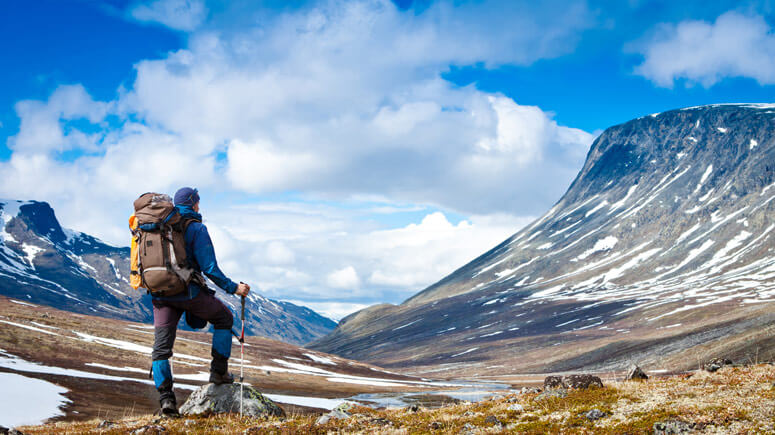
- Nepal is a trekker’s paradise, offering a diverse and stunning landscape that beckons adventurers from around the globe. With the majestic Himalayas as its backdrop, trekking routes range from gentle walks through lush hills to challenging climbs over rugged passes. The most iconic regions, such as the Annapurna Circuit and Everest Base Camp, draw large crowds; however, the hidden gems of Nepal, like the Three Passes Trek, provide an escape into the tranquility of nature.
- Diverse Terrain: Trekking paths vary from lush forests to barren mountains.
- Rich Culture: Encounter vibrant local cultures and heritage along the trails.
- Wildlife: Spot unique flora and fauna native to the region.
Significance of the Three Passes Trek
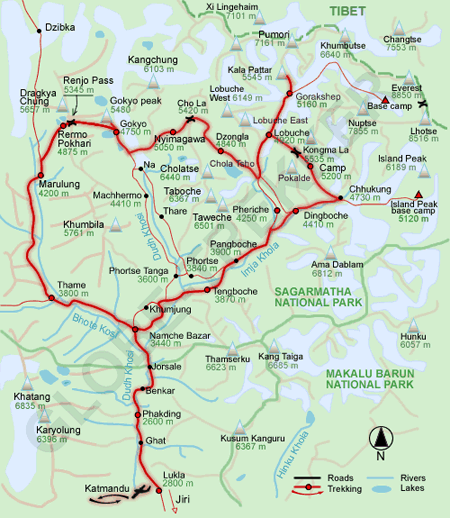
The Three Passes Trek is more than just a physical challenge; it is a gateway to experiencing the heart and soul of the Himalayas. Recognized for its breathtaking scenery and cultural richness, this trek offers trekkers the chance to explore three high-altitude passes—Kongma La, Cho La, and Renjo La—while soaking in awe-inspiring views of some of the tallest peaks on Earth.
Some highlights include:
- Acclimatization Opportunities: Adequate rest days help acclimatize trekkers to the altitude safely.
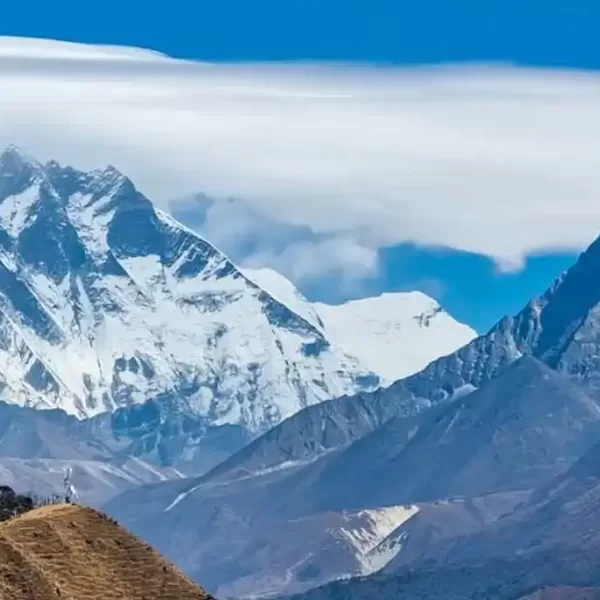
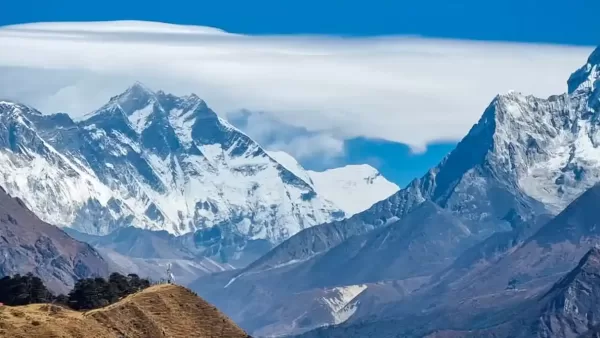
- Spectacular Views: Captivating panoramas of Everest and surrounding peaks.
- Cultural Immersion: Unique interactions with Sherpa communities enhance the trekking experience.
Embarking on the Three Passes Trek is an opportunity to connect with nature, challenge oneself physically, and embrace the enchanting charm of Nepal.
Preparation for the Trek
Essential Gear and Equipment
Preparing for the Three Passes Trek means ensuring you have the right gear. Layered clothing is essential due to the unpredictable weather. Here’s what you shouldn’t forget:
- Base Layers: Synthetic materials to wick sweat away.
- Mid Layers: Fleece or wool for insulation.
- Outer Layers: Waterproof jackets and pants to shield against rain and wind.
- Footwear: Sturdy, well-fitted hiking boots and breathable socks.
- Accessories: Hats, gloves, and sunglasses to protect against sun and cold.
- Hydration: A 1-liter water bottle and water purification gear for safe drinking.
Investing in quality gear can make all the difference in your trekking experience.
Physical Training Requirements
Trekking in Nepal, especially the Three Passes Trek, demands physical readiness. It’s advisable to have a baseline fitness level before setting out. Here are some training tips:
- Cardio Workouts: Run or hike regularly to build stamina.
- Stair Climbing: Incorporate stair climbs into your routine with a loaded backpack to mimic trekking conditions.
- Strength Training: Focus on strengthening legs, core, and back to handle elevation changes.
Training will improve your endurance and make it easier to handle the trek!
Permits and Regulations
Before embarking on your adventure, be aware of the required permits. For the Three Passes Trek, you’ll need:
- Trekking Permit: Approximately $45, obtainable through your trekking agency.
- Entrance Fees: To enter Sagarmatha National Park, which are typically included in your trekking package.
Always ensure to have your permits in order, as they contribute significantly to the local economy and help maintain the region’s beauty and safety. Happy trekking!
The Three Passes Detailed
Overview of the Passes
- The Three Passes Trek in Nepal presents an exhilarating opportunity for trekkers to conquer three majestic high passes—Kongma La, Cho La, and Renjo La—each offering unique views and challenges. Here’s a quick look at what each pass entails:
- Kongma La: The highest at 5,535 meters (18,159 feet), known for its challenging ascent.
- Cho La: Standing at 5,420 meters (17,782 feet), featuring a glacier crossing.
- Renjo La: At 5,360 meters (17,580 feet), regarded as the most accessible.
Kongma La
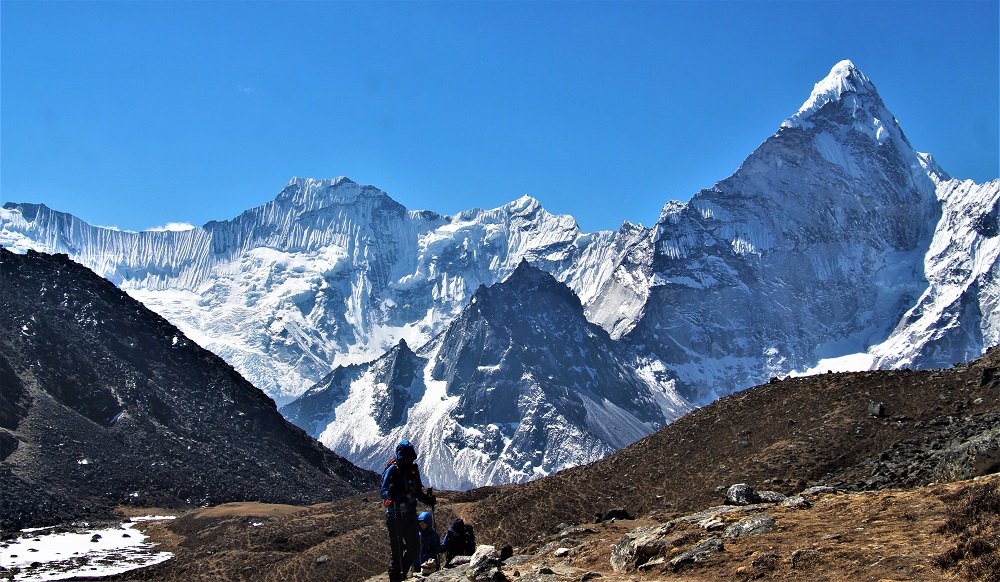
Kongma La is often considered the toughest of the three passes. The climb is steep, requiring strong legs and determination. The payoff? Breathtaking views of the surrounding peaks and valleys. Starting your ascent early helps to avoid afternoon weather challenges.
Cho La

Crossing Cho La Pass involves navigating a glacier—using microspikes is usually recommended for safe passage. The stunning landscape adorned with prayer flags offers a spiritual touch. This pass connects Gokyo and Everest trekkers, creating an exhilarating fusion of routes.
Renjo La

Renjo La is often dubbed the easiest of the three, making it a popular choice for acclimatization. The views from the top reveal the awe-inspiring Gokyo lakes and towering mountain peaks, making it a highlight of the trek.
Trekking Routes and Challenges
The Everest Three Passes Trek covers various terrains, ensuring a unique experience every day. Trekkers will encounter rocky trails, glacial sections, and steep slopes. Expect long days averaging 4-6 hours of trekking, requiring physical preparation and mental resilience. Always remember to listen to your body, and take the time necessary to acclimatize for the best experience!
Day-by-Day Itinerary
Day 1: Arrival in Kathmandu
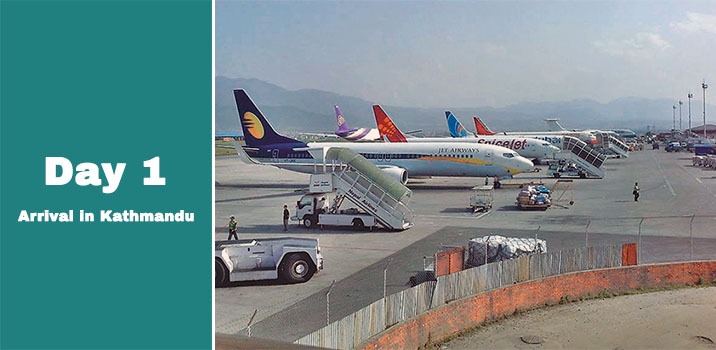
Upon arrival at Tribhuvan International Airport in Kathmandu, trekkers are greeted with traditional Khada scarves. After a warm welcome, the group will be transported to their hotel in Thamel, where they can relax or explore local shops and restaurants. Expect a brief meeting with your trekking guide to discuss the upcoming adventure!
Day 2-3: Lukla to Namche Bazaar
The following day, an early morning flight will whisk you away to Lukla, the trek’s starting point. The excitement builds as you embark on a picturesque trek to Phakding, followed by a challenge to Namche Bazaar. Known as the gateway to the Khumbu, Namche is a bustling hub with plenty of shops and restaurants.
- Highlights:
- Scenic views
- Taste local cuisine like Dal Bhat
Day 4-5: Gokyo Valley and Machhermo
Days four and five take you to the stunning Gokyo Valley. This area is renowned for its turquoise lakes and breathtaking vistas. Spend day five acclimatizing and exploring Machhermo, famous for its Sherpa culture and the nearby glacier views.
Day 6-8: Crossing the Passes
Days six through eight are the trek’s pinnacle! Commencing with Renjo La, followed by Cho La, leading to the formidable Kongma La, each pass presents its challenges and rewards. Ensure you start early to dodge afternoon weather.
Day 9: Return to Lukla
The final leg of the journey involves retracing your steps back to Lukla, filled with reflection on the adventure. After a celebratory meal, make preparations for the flight back to Kathmandu, marking the end of an unforgettable trek.
Highlights of the Journey
Scenic Views and Photography Spots
- The Three Passes Trek is a photographer’s dream, offering stunning vistas at every turn. Each pass presents its unique panorama, making it a remarkable journey for anyone with a camera. Here are some of the top spots:
- Kongma La: Capture breathtaking views of the Himalayas and surrounding glaciers.
- Renjo La: Perfect for snapping the turquoise Gokyo Lakes against a backdrop of towering peaks.
- Gokyo Ri: This summit provides an unforgettable sunrise view over Everest and its colossal neighboring mountains, which my husband and I will cherish forever.
Cultural Experiences Along the Trail
- As trekkers traverse this majestic route, immersing in Sherpa culture is inevitable. Villages like Namche Bazaar are bustling with local shops, eateries, and friendly faces eager to share their stories.
- Local Cuisine: Try Dal Bhat, a favorite staple alongside momos (dumplings).
- Monasteries: Stop by Tengboche Monastery to witness a serene atmosphere filled with the soothing sounds of chanting.
Wildlife and Natural Wonders
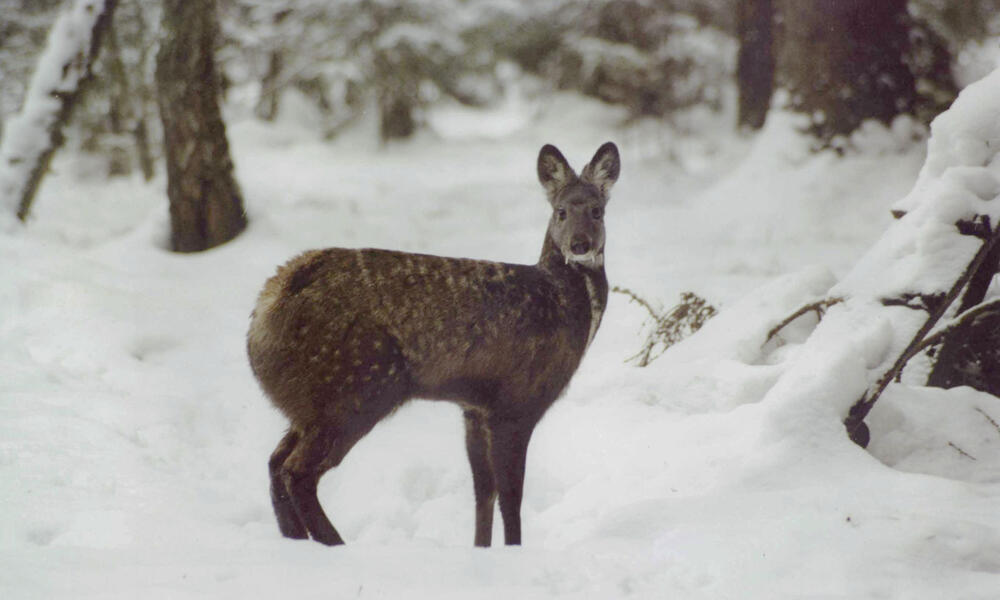
The trek isn’t just about the stunning landscapes; it’s also an opportunity to spot unique wildlife. Look out for:
- Musk Deer: These elusive creatures are a treat to see among the rich flora.
- Snow Leopards: Though rare, some lucky trekkers might catch a glimpse.
- Colorful Pheasants: Their vibrant feathers are a beautiful addition to the mountainous backdrop.
Embrace every moment along the trail—it’s a journey filled with beauty, culture, and connection to nature.
This post was delivered to you by the Accessily platform. If you want to showcase your content on our site, visit the Accessily Guest Post Service.