
High in the sacrosanct folds of the Himalayas, where quiet talks louder than words and the mountains hold stories more seasoned than time, lie trails that test the body and mend the soul. From the sensational scenes of Manaslu, the crude ferocity of Kanchenjunga, the divine drag of Mount Kailash, to the high-altitude summit of Mera peak, each of these Himalayan undertakings offers something exceptional. These are not fair treks – they are otherworldly and individual treks through the most noteworthy, calmest, and most sacrosanct places on earth.
Table of Contents
Manaslu Circuit Trek
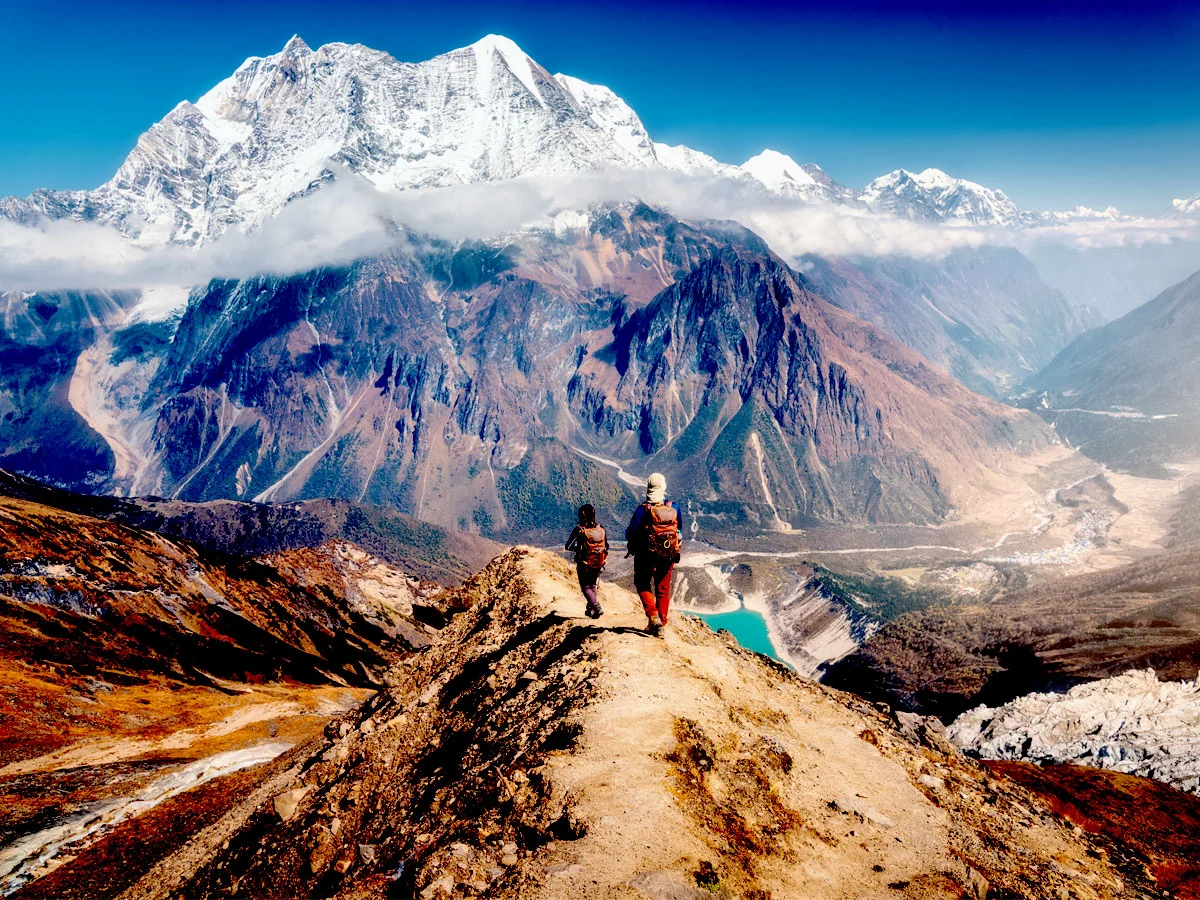
The Manaslu Circuit trek is one of Nepal’s most fulfilling and farther trekking encounters. Encompassing the world’s eighth-highest peak — Mount Manaslu (8,163 meters) — this path weaves through stream gorges, forested slopes, and tall elevated valleys wealthy in Tibetan culture and Himalayan spirituality.
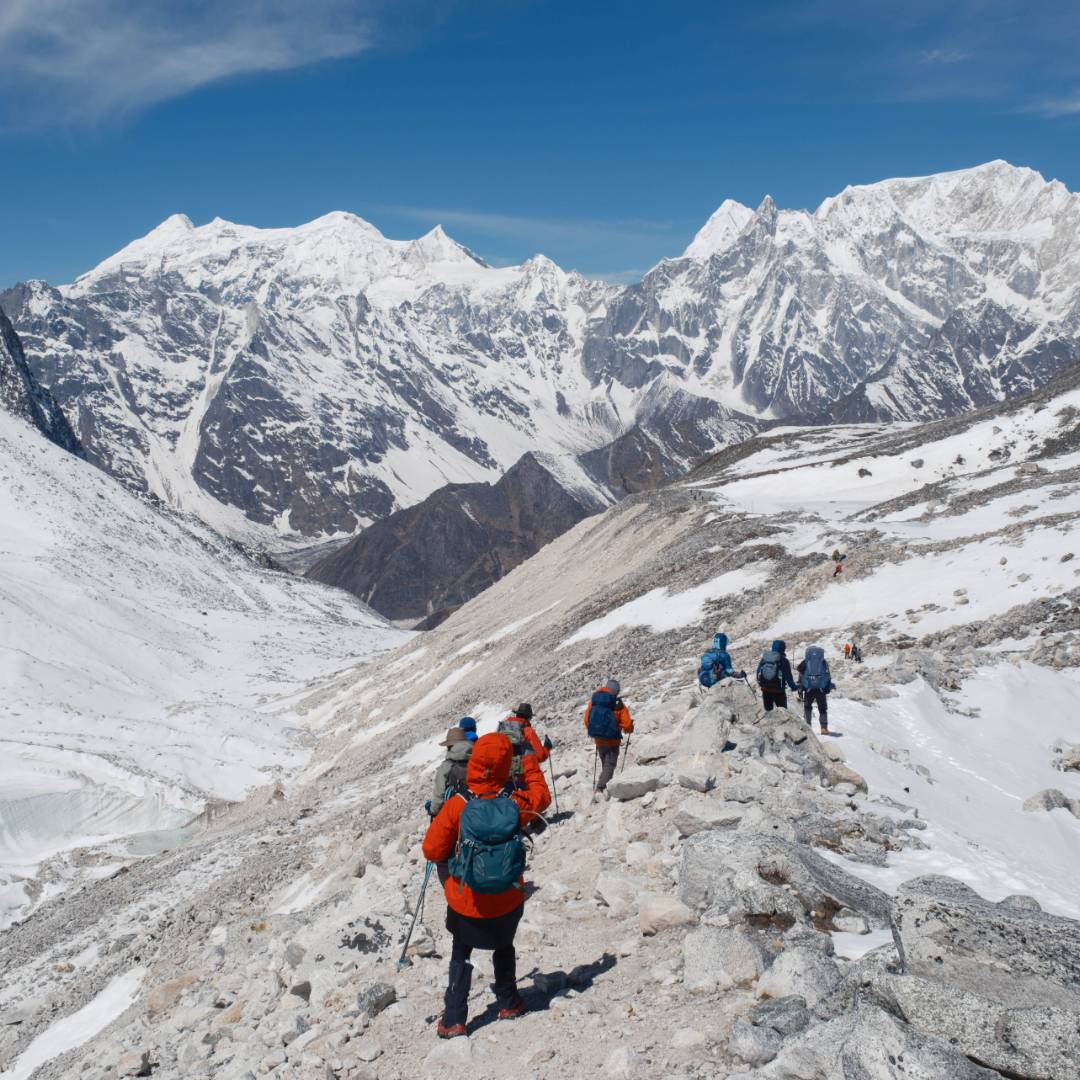
Starting in the swamps of Soti Khola, the path slowly rises through terraced areas, rhododendron timberlands, and antiquated towns. As you climb, the view changes significantly, and Tibetan Buddhist impacts develop stronger.
One of the highlights is the emotional crossing of Larkya La Pass (5,106 meters), a tall mountain pass that offers all encompassing views of the Manaslu extend and far off Himalayan peaks. It’s a physically requesting area but profoundly rewarding.
Throughout the trek, you’ll experience ageless towns like Samagaon and Samdo, where supplication banners vacillate in the wind and religious communities resound with chants. This travel is not as it were around coming to tall elevations, but approximately understanding life at the edge of the world.
Also Read: Adventure Awaits: Trekking Through Nepal’s Epic Three Passes
Kanchenjunga Circuit Trek
In the farther eastern Himalayas lies Mount Kanchenjunga, the world’s third-highest peak at 8,586 meters. The Kanchenjunga Circuit trek offers one of the most farther and gutsy trekking courses in Nepal, engaging those with a thirst for isolation, crude nature, and social depth.
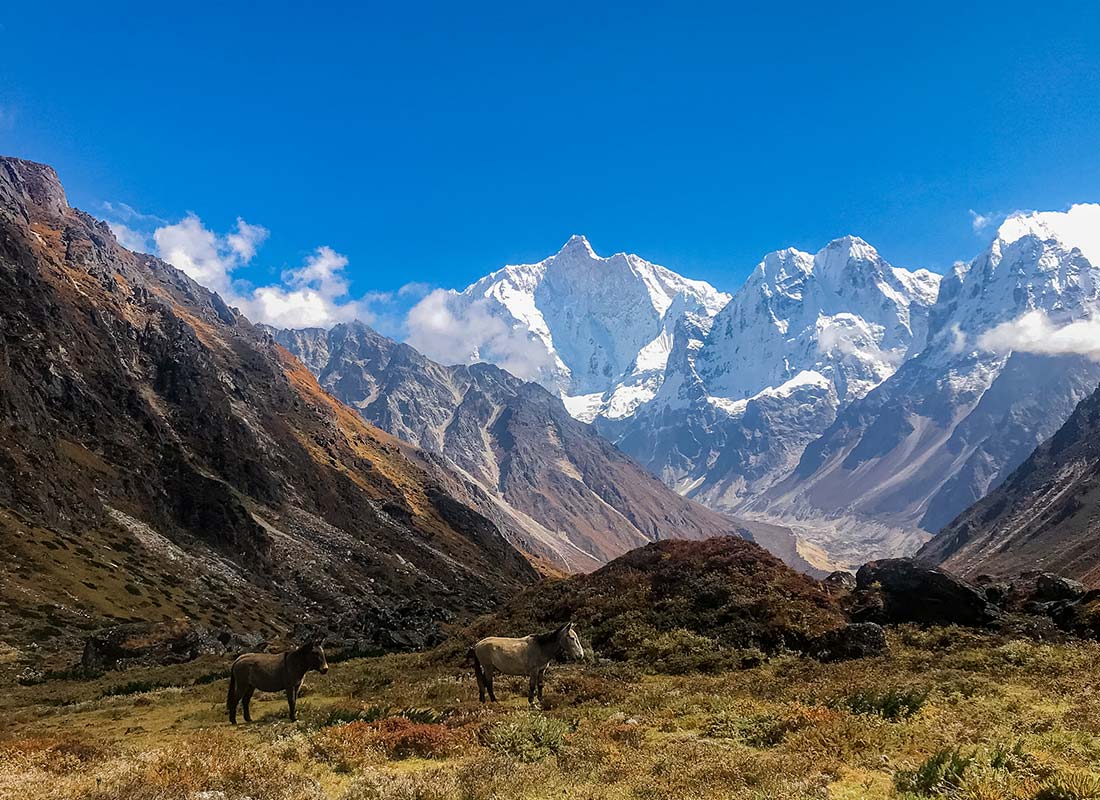
This circuit combines both the North and South Base Camps, advertising unimaginable sees of icefalls, ridgelines, and gigantic ice sheets. The path leads through perfect timberlands, snow capped pastures, and tall passes, regularly with not another trekker in sight.
The towns of Ghunsa, Yamphudin, and Tseram reflect a lovely blend of societies — from Sherpas to the Limbu and Rai individuals — each with their claim conventions and profound love for the mountain.
Kanchenjunga is considered a sacrosanct mountain, and climbers in prior undertakings indeed maintained a strategic distance from venturing on its summit out of regard. This otherworldly component imbues the trek with a capable sense of purpose.
Because of its inaccessible nature, the trek requires fabulous physical conditioning and solid coordinations. But those who take on the challenge are remunerated with a few of the most true and awe-inspiring scenes in the Himalayas.
Mount Kailash Tour
Mount Kailash, rising 6,638 meters over the Tibetan Level, is not at all like any other peak in the Himalayas. It may not be the most elevated, but it holds the most prominent otherworldly noteworthiness. Venerated by Hindus, Buddhists, Jains, and Bon devotees, Kailash is seen as the center of the universe — the enormous pivot around which all life revolves.
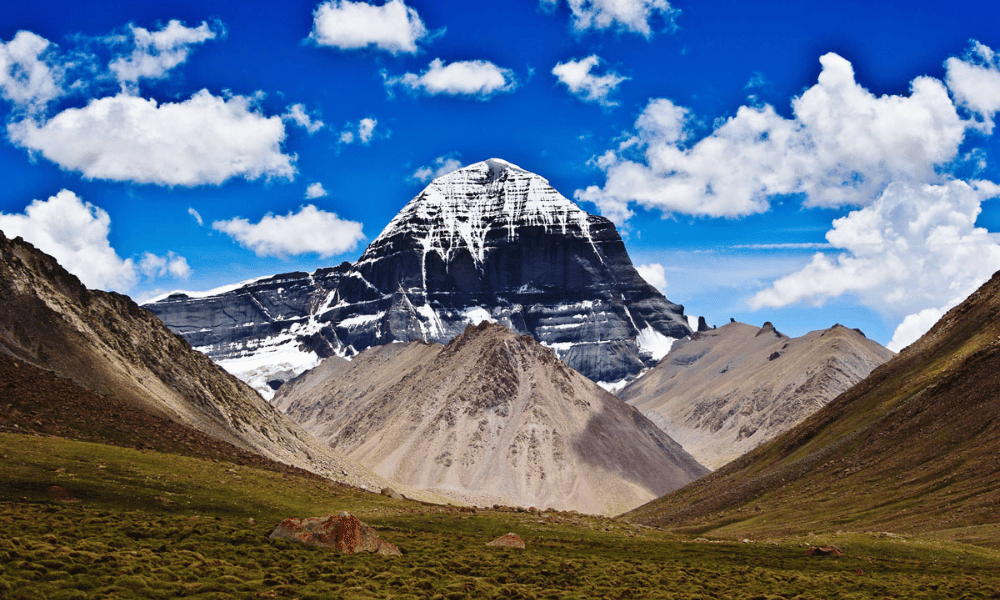
The Mount Kailash tour spins around a trek known as the Kora, a 52-kilometer circuit that circles the base of the sacrosanct mountain. Pioneers accept that completing this circuit on foot cleanses sins and brings otherworldly merit.
Along the way, you’ll pass old cloisters, yak caravans, and supplication banners whipped by the wind. The crossing of Drolma La Pass (5,630 meters) is the otherworldly climax of the Kora, symbolizing the passing of the sense of self and resurrection of the soul.
Adjacent to the mountain lies Lake Manasarovar, one of the holiest lakes in Asia. Its serene, clear waters reflect both the sky and the soul — a pit where friars chant, travelers implore, and hush is profoundly felt.
Unlike conventional treks, the Kailash travel is more of an otherworldly voyage. It requires flexibility, not fair for the elevation, but for the profound contemplation it rouses. For many, it is not fair to travel through Tibet — it is a trek to their internal self.
Mera Peak Climbing: Touching the Sky
For those who dream of standing on a Himalayan summit without extraordinary specialized climbing, Mera peak climbing is the culminating enterprise. At 6,476 meters, Mera is Nepal’s most noteworthy trekking peak, advertising a chance to reach confounding statues with essential mountaineering abilities and solid determination.
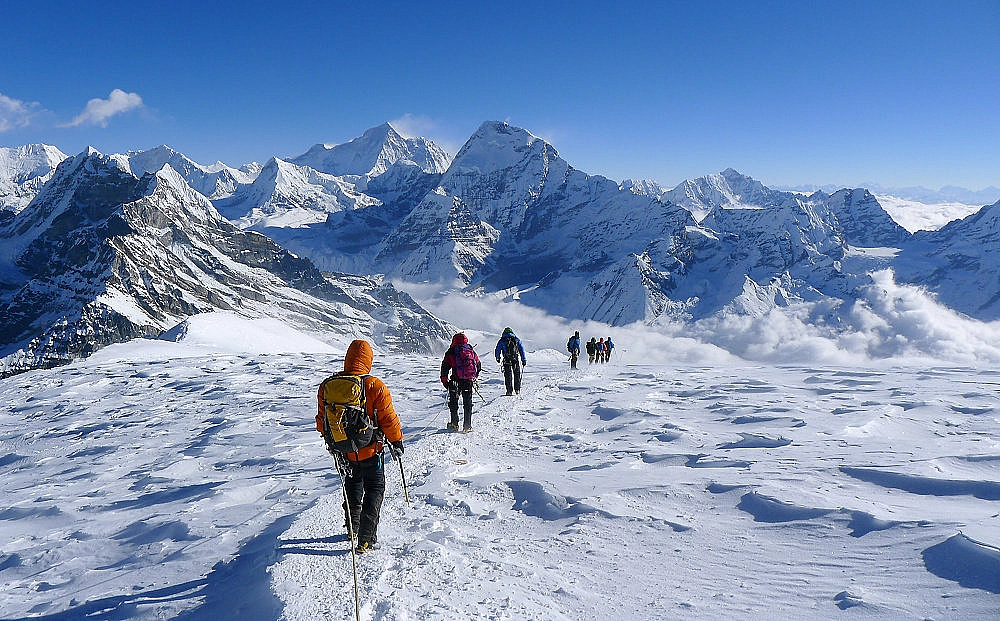
The experience starts with a beautiful flight to Lukla, at that point heads absent from the swarmed Everest path into the farther Hinku Valley. This once in a while gone region is domestic to thick timberlands, snow capped edges, and disconnected Sherpa villages.
Acclimatization is key to victory. Trekkers spend a few days altering to the height whereas getting a charge out of breathtaking views of Makalu, Baruntse, and Chamlang. Inevitably, the path leads to Mera Tall Camp, set on a rough outcrop over the glacier.
The summit day began some time recently, with headlamps lighting the frosty path. Whereas the climb is not actually troublesome, it’s physically demanding due to the tall height. Be that as it may, once you reach the best, the compensate is past creative ability — an all encompassing sea of five 8,000-meter monsters: Everest, Lhotse, Makalu, Cho Oyu, and indeed Kanchenjunga in the distance.
Mera peak is an individual triumph, a test of will and perseverance that lifts not only your height, but your spirit.
High-Altitude Scenes, Profound Otherworldly Rewards
Each of these Himalayan ventures presents a diverse scene, challenge, and vitality. From the farther gorges of Manaslu to the otherworldly path of Kailash, the difference is stunning.
In the Manaslu Circuit, you walk through timberlands and icy masses, crossing hanging bridges and stone stairways. In Kanchenjunga, the territory changes day by day — from bamboo forests to frosty icy masses. On the Kailash Kora, the open, windswept level of Tibet extends unendingly underneath a cobalt sky. And Mera peak encompasses you with towering white peaks and perpetual snow capped silence.
But these trails are more than views. They carry stories, myths, and conventions passed down for centuries. They are sacrosanct ways where each step can end up a meditation.
The Individuals of the Tall Himalayas
No Himalayan travel is total without the warmth and intelligence of the nearby individuals. In Manaslu, you’ll meet the Nubri individuals, with their Tibetan roots and solid Buddhist confidence. Villagers in Samdo or Lho welcome travelers with grins and supplication dots in hand.
In Kanchenjunga, the Sherpa communities live in concordance with nature, whereas the Limbu and Rai individuals share stories of spirits and mountains. Each domestic offers a container of tea, and each religious community invites you with a sense of peace.
On the Mount Kailash tour, you’ll witness travelers from over Asia — Indian sadhus, Tibetan nuns, and Bhutanese ministers — all strolling in shared dedication, chanting and bowing along the trail.
And in Mera Peak’s farther region, the Sherpas are not as if they were guides but instructors, sharing their profound regard for the mountains and the intelligence of living in such an unforgiving but wonderful environment.
Choosing Enterprise with Meaning
If you look for more than fair Instagram sees and gifts, these off-the-beaten Himalayan ventures offer something genuine. They challenge your limits, strip absent diversions, and present you to the substance of nature, soul, and self.
- The Manaslu Circuit educates versatility through wilderness.
- The Kanchenjunga Circuit gives you the quiet of the wild.
- The Mount Kailash tour blesses you with otherworldly insight.
- The Mera peakclimb conveys individual achievement.
Each one requests planning and regard — for the elevation, the individuals, the climate, and the sacrosanct arrive. And each one gives you something invaluable in return.
Best Time for These Himalayan Adventures
The perfect seasons for these treks are spring (March–May) and harvest time (September–November). These periods offer clear skies, steady climate, and great mountain visibility.
While Mera peak and Manaslu are best handled in these prime trekking months, Mount Kailash is most available from May to early October, when the Tibetan Level isn’t secured in snow. Kanchenjunga, due to its remoteness and length, is best in spring and harvest time, when trails are less dangerous and streams are simpler to cross.
Physical and Mental Preparation
These treks are not casual climbs. They include long days, tall heights, and rough landscape. Preparing in advance – with cardio, quality workouts, and climbing home – will make a colossal contrast in your experience.
Mental arrangement is fair as vital. You require persistence for long days, lowliness for basic town life, and openness to social contrasts and otherworldly experiences.
Guides and watchmen are fundamental for most of these treks, particularly in Manaslu and Kanchenjunga, where grants require an authorized direct. For Mera peak, specialized direction is pivotal. And for Kailash, coordinations must be taken care of carefully, particularly with respect to grants and elevation management.
A Travel That Remains With You Forever
The Himalayas do not offer breathtaking views — they offer viewpoints. They strip life down to the basics: breath, water, warmth, and ponder. They remind us of the scale of the soil and the diminutiveness of our worries.
From the grandness of Manaslu to the sacrosanct soul of Kailash, each step you take is a portion of a bigger, old story. A story of mountains and ministers, hush and storms, challenge and awakening.
And when you return — changed, lowered, motivated — you’ll carry the mountains with you. Not in your pack, but in your heart.
FAQs
How long is the Manaslu Circuit Trek?
It ordinarily takes 14 to 17 days, depending on acclimatization and side hikes.
Is Mera peak appropriate for beginners?
Yes, it’s considered a trekking peak, but it still requires great wellness and a few essential mountaineering gear.
What grants do I require for the Kanchenjunga Circuit?
Special limited range licenses are required, and you must trek with an enrolled direct and at least one other person.
Can anybody do Mount Kailash Kora?
Yes, but you require it to be well-acclimatized and physically arranged. The height is tall, and the path is extreme in spite of being non-technical.
What’s the best way to get ready for these treks?
Start with cardio preparing, multi-day climbs, and height introduction if conceivable. Center on perseverance and mental preparation. Continuously travel with a legitimate direct or company.