If someone asked me to name one place that delivers on every promise travel makes — wildlife, adventure, culture, raw beauty — I’d say the Masai Mara without hesitation. I know that sounds bold. But after talking to guides and travelers, and spending time researching what actually makes safari destinations worth the flight, the Mara keeps coming out on top.
2026 is shaping up to be a good year to visit. The fee structure has stabilized after some changes, the conservancies are hitting their stride with sustainable tourism, and Kenya’s tourism infrastructure has never been better. If Africa is on your bucket list, this might be your year.
Table of Contents
It’s Not Just About the Big Five

Yes, you’ll probably see lions. And elephants. Maybe even a leopard if you’re patient and lucky. The Masai Mara National Park is famous for the Big Five, and most visitors check off at least four of them during a standard three-day safari.
Also Read: Maasai Mara Safari Guide: Wildlife, Culture & Travel Tips
But people talk about the smaller moments just as much. A hyena carrying a wildebeest leg at dawn. A secretary bird stomping on a snake. Hippos grunting in the Mara River at dusk — that sound carries for kilometers in the still evening air, and it’s weirdly hypnotic once you’ve heard it.
The density of wildlife in the Mara is something else. Unlike other reserves where you might drive for hours between sightings, the Mara delivers consistently. That’s partly geography — it’s continuous with Tanzania’s Serengeti, creating one massive ecosystem — and partly because the habitat just works.
The Great Migration Changes Everything
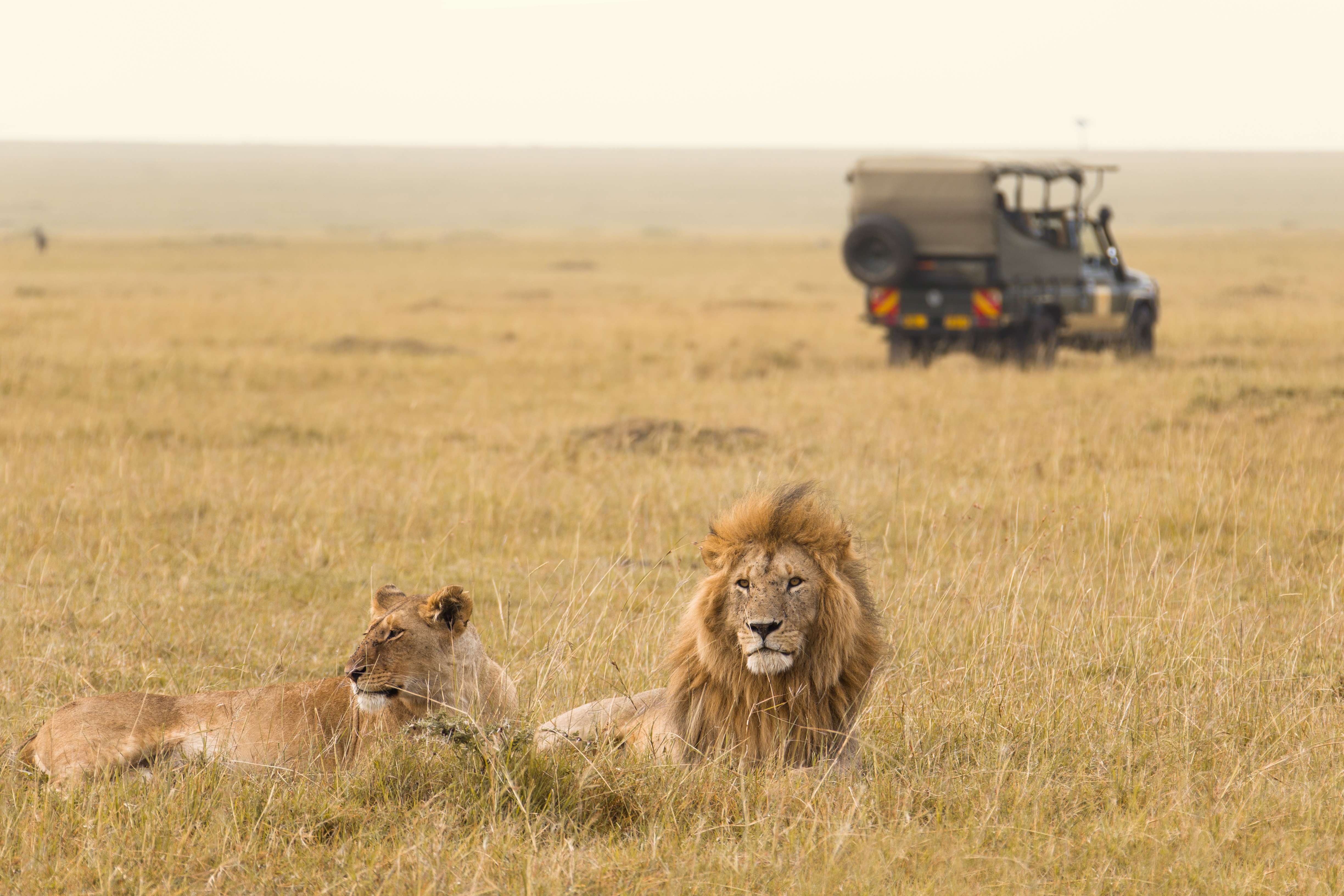
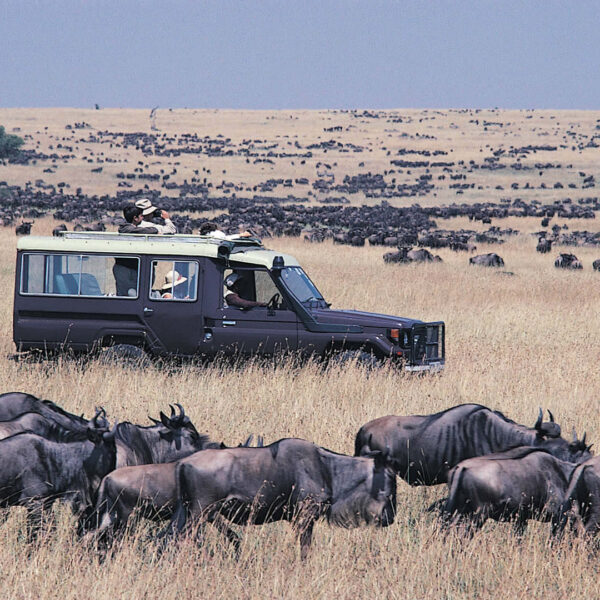
Between July and October, the Mara transforms. Roughly 1.5 million wildebeest and hundreds of thousands of zebras pour across from the Serengeti, following the rains and fresh grass. They cross the Mara River, dodging crocodiles that have been waiting all year for this exact moment.
I won’t pretend every visitor sees a dramatic river crossing. Nature doesn’t run on schedules. A family I spoke with visited during peak migration season and spent four days without seeing a single crossing — the herds were there, but the animals just weren’t moving that week. They still had an incredible time, but it’s worth knowing that the migration is unpredictable.
If witnessing the crossing is your primary goal, consider a longer stay. Four or five days gives you better odds than the standard three-day Kenya wildlife safari package.
What 2026 Costs Actually Look Like
The Masai Mara National Reserve now charges USD 200 per person for a 12-hour entry period. That’s for non-residents, and it’s payable through the official portal at Ecitizen. This fee changed in mid-2024, and some older guides and websites still list the previous USD 100 rate — don’t get caught off guard.
If you’re starting your trip in Nairobi (most international travelers do), a visit to Nairobi National Park makes a good warm-up. Entry there is USD 80 per day for non-residents, paid through the same portal. It’s the only place in the world where you can see lions with a city skyline in the background. Strange and wonderful.
For a mid-range safari package — decent lodge, private vehicle, guide, meals, and park fees included — expect to pay somewhere between USD 400 and USD 700 per person per day. Budget options with camping and shared vehicles run USD 200 to USD 350. Luxury lodges and fly-in safaris can easily hit USD 1,000+ daily.
Resources like masaimarasafari.travel can help you compare options and understand what’s actually included in different packages.
Why the Conservancies Matter
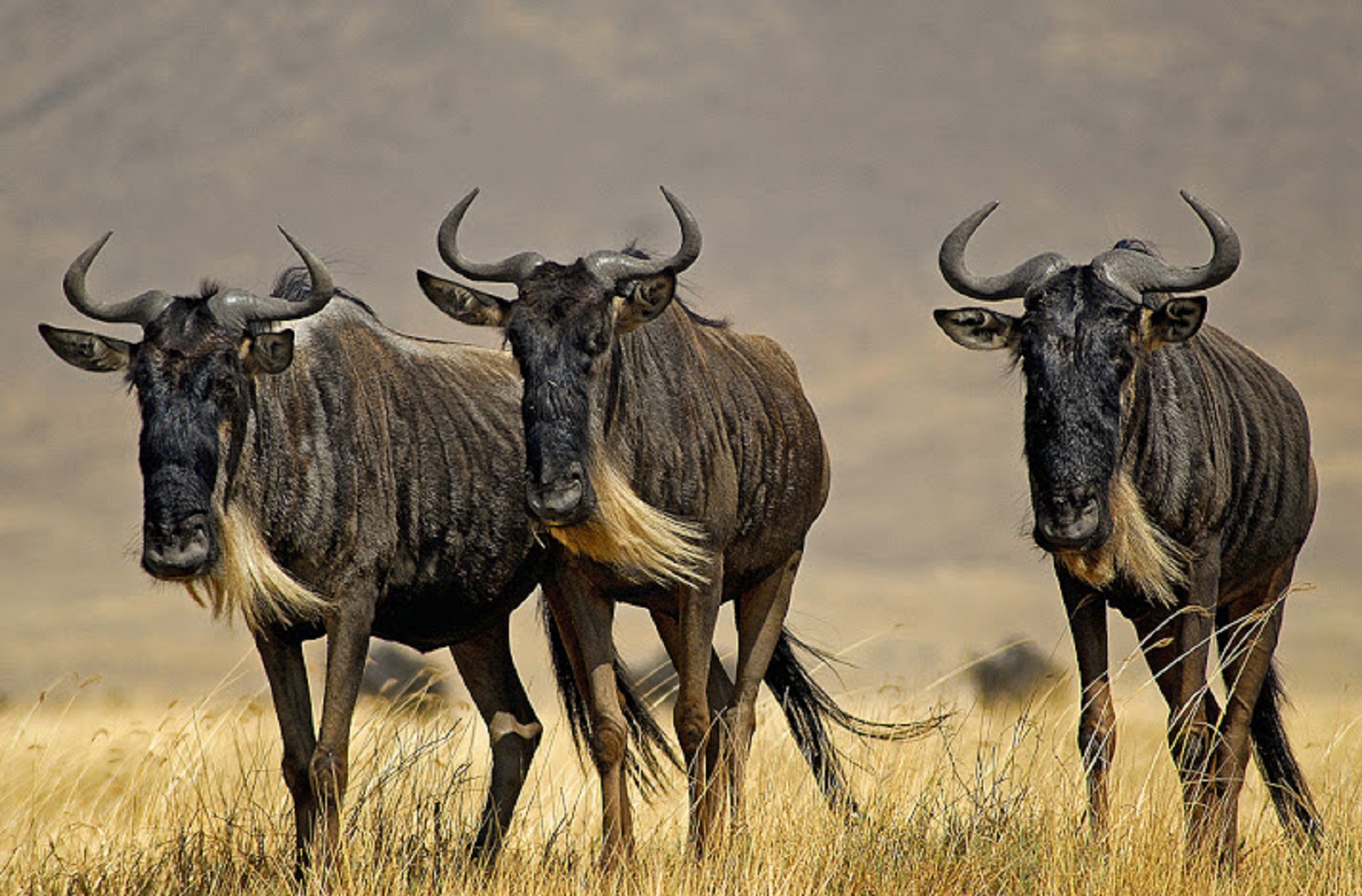
The main Masai Mara National Reserve is just part of the picture. Surrounding it are private conservancies — Olare Motorogi, Naboisho, Mara North, and others — that offer a different experience entirely.
In the main reserve, vehicles must stay on designated tracks. During busy periods, especially migration season, you might find yourself sharing a lion sighting with fifteen other vehicles. I’ve seen photos where the safari vehicles outnumber the lions.
The conservancies limit visitor numbers. Guides can drive off-road. Night drives and walking safaris are permitted. The trade-off is higher prices — conservancy fees add USD 100 to USD 150 per person per day on top of accommodation costs.
Is it worth it? For many travelers, absolutely. Watching a cheetah hunt without a crowd of vehicles changes everything.
Getting There
Two main options: Road or Air.
The drive from Nairobi takes roughly five to six hours, depending on traffic and road conditions. You’ll descend into the Great Rift Valley — the views along the escarpment are dramatic — and pass through small towns like Narok before reaching the reserve. Budget safaris typically include road transfers; it’s cheaper and the scenery is legitimately impressive.
Bush flights from Nairobi’s Wilson Airport take about 45 minutes and land on grass airstrips inside the reserve. It’s faster, more scenic from above, and feels appropriately adventurous. The extra cost (usually USD 200 to USD 350 each way) makes sense for shorter trips where you’d rather maximize game-viewing time.
Things That Can Go Wrong
I want to be honest about some concerns.
Kenya has its challenges, but the Mara region is generally safe for tourists. Political instability occasionally affects travel advisories, and you should check current conditions before booking. Most safari operators have been running trips for decades without serious incidents.
Malaria risk exists. Consult a travel clinic before your trip about prophylaxis. Bring mosquito repellent. Most lodges and camps have nets.
During migration season in the main reserve, it can feel crowded. Outside peak periods, or in the conservancies, the Mara still offers genuine wilderness experiences. Timing and location choices matter more than most Travelers realize.
And weather is unpredictable. I heard about a couple who had heavy rain during their entire three-day trip — animals were sheltering, visibility was poor, and they came away disappointed. Most Travelers see extraordinary things, but nothing is guaranteed.
What Photos Won’t Show You
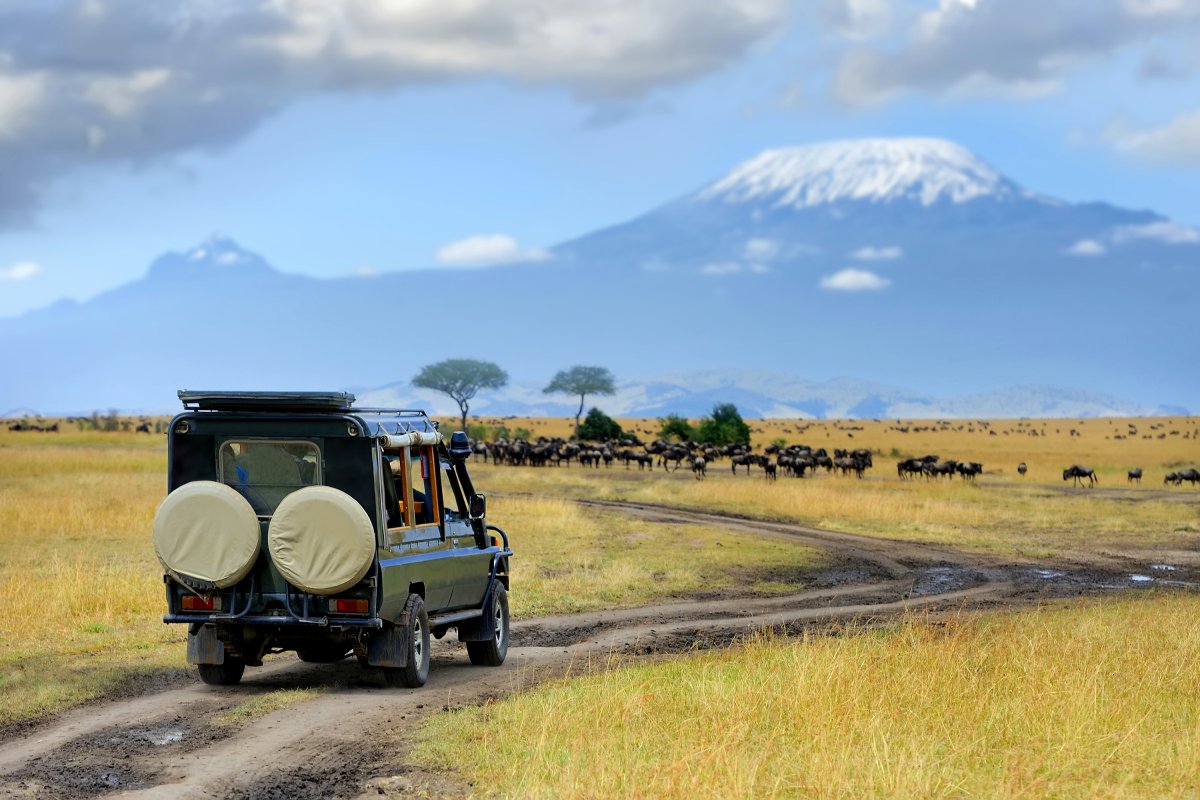
The smell of rain approaching across the savannah — that metallic, mineral scent mixed with dust and grass. The Mara sits at around 1,500 meters elevation, which means mornings are genuinely cold. Like, 12°C cold. You’ll want layers.
Sound carries differently on the open plains. Lions roaring at night aren’t distant background noise; they feel present, close. The first time you hear it, you understand why our ancestors feared the dark.
And the light. Photographers obsess over the Mara’s light for good reason. The golden hour before sunset paints everything in warm amber. Big skies, few trees, dramatic cloud formations — conditions you simply don’t get in forested parks.
Who This Trip Is For
The Mara works for wildlife enthusiasts, photographers, couples seeking adventure, and families with older children (most camps set minimum ages around 6-8 years). Anyone who wants an accessible introduction to African safari will find it here.
It might not suit Travelers who want beach time or urban experiences. And genuine budget safaris exist but still cost significantly more than backpacking through Asia — if you’re on a very tight budget, the Mara requires some financial planning.
Making Your Booking
Book early for peak migration season (July-October). The best camps fill months in advance. Shoulder seasons (November-December, March-June) offer lower prices and fewer crowds — wildlife is still excellent, just different.
Work with established operators. Luxury Masai Mara safaris through reputable companies include ground support, insurance backup, and guides who know the terrain. The cheapest option isn’t always the best value.
Get travel insurance. Medical evacuation from remote areas is expensive.
Samuel Mwangi, a licensed guide I connected with who has spent over a decade in the Mara, put it simply: “People arrive expecting photos. They leave with something harder to explain.”
So, Should You Go?
The Masai Mara delivers on the promise of African safari in a way few places can match. It’s accessible without being easy. It’s wild without being impossible. And in 2026, with stabilized pricing and solid infrastructure, there’s never been a better time.
Pack layers and good binoculars. The Mara has a way of exceeding what you imagined while also being completely different from what you expected. That’s worth crossing oceans for.