Nepal’s amazing trails have captured the hearts of trekkers from around the world for eras. The taking off Himalayan peaks, ageless towns, wealthy social conventions, and assorted scenes make Nepal an unmatched trekking goal. Among its numerous trails, four stand out as the most famous and adored: the Annapurna Circuit Trek, Everest View Trek, Langtang Valley Trek, and Manaslu Circuit Trek. These classic treks offer an excellent mix of nature, experience, culture, and otherworldly magnificence. Whether you’re a first-time guest or an experienced explorer, these trails guarantee extraordinary memories.
Table of Contents
Manaslu Circuit Trek Overview
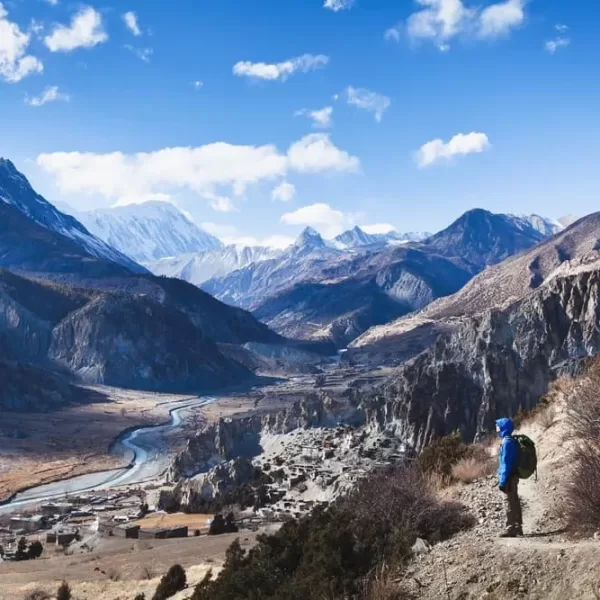
The Manaslu Circuit Trek circles the grand Mount Manaslu (8,163 m), the eighth-highest mountain in the world. This off-the-beaten-path path is idealized for trekkers looking to maintain a strategic distance from the swarms while still encountering the greatness of the Himalayas. The path takes you through inaccessible towns, old cloisters, and tall snow-capped territory. Wealthy Tibetan-influenced culture, dazzling scenes, and the sensational crossing of Larkya La Pass (5,106 m) make this Trek one of Nepal’s best-kept secrets.

Highlights of the Manaslu Circuit Trek:
- Circuits around Mount Manaslu, the 8th-highest peak in the world
- Experience untainted, crowd-free Himalayan wilderness.
- Cross the breathtaking Larkya La Pass at 5,106 meters.
- Explore old Tibetan Buddhist towns and monasteries.
- Diverse scenes from tropical timberlands to snow-capped tundra
- Rare chance to see natural life like blue sheep and Himalayan Thar
- Cultural mix of Gurung, Tibetan, and Nubri people
- Ideal for trekkers looking for adventure in a farther region
Annapurna Circuit Trek Overview
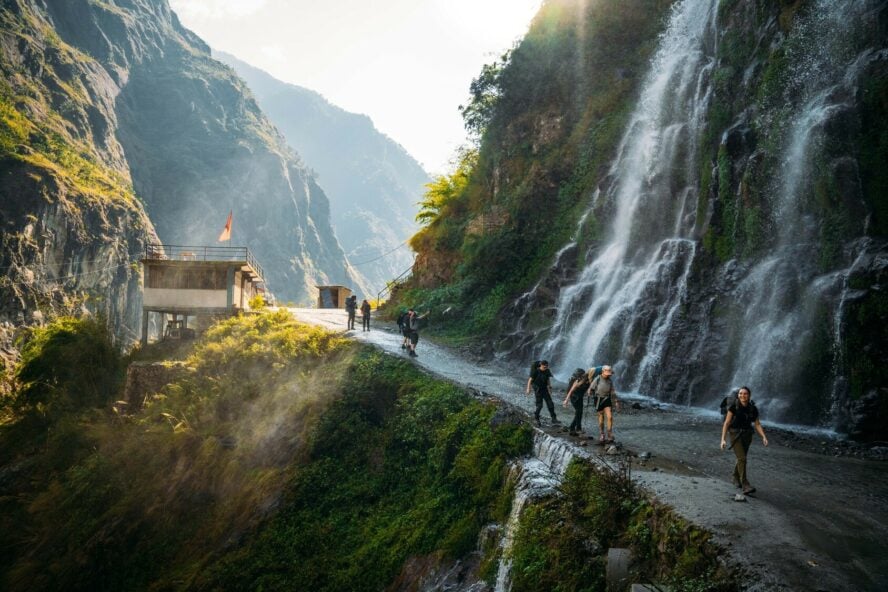
The Annapurna Circuit Trek is one of the most well-known long-distance treks in the world. The travel offers an emotional extent of scenes, from lavish subtropical timberlands to bone-dry high-altitude levels, all encompassing the gigantic Annapurna and Dhaulagiri ranges. The path navigates through culturally rich towns, apple plantations, and profound waterway gorges, sometime recently coming full circle at the celebrated Thorong La Pass (5,416 m).
Highlights of Annapurna Circuit Trek:
- Stunning views of the Annapurna, Dhaulagiri, and Machapuchare peaks
- Cross the high-altitude Thorong La Pass (5,416 meters).
- Visit Muktinath, a sacrosanct Hindu and Buddhist Trek site.
- Enjoy common hot springs in Tatopani.
- Walk through charming towns like Manang and Pisang.
- Explore profound gorges and emotional waterways like Kali Gandaki.
- Wide biodiversity in the Annapurna Preservation Area
- Tea-house trekking with amazing neighborhood hospitality
Everest View Trek Overview
The Everest View Trek offers a brief, however profoundly fulfilling, Himalayan experience, idealized for those who need to see Mount Everest without the longer commitment of the full base camp Trek. The path leads through Sherpa towns, rhododendron woodlands, and emotional mountain views. The last goal, Lodging Everest View, offers one of the best all-encompassing views of Everest and its encompassing giants.

Highlights of the Everest View Trek:
- Stunning ethereal scenes of Mount Everest and Ama Dablam
- Visit Namche Bazaar, the Sherpa capital of the Khumbu region.
- Explore Tengboche Cloister, the region’s otherworldly heart.
- Trek through wonderful rhododendron and pine forests.
- Suitable for families and short-time trekkers
- High-quality lodges and pastry kitchens along the trail
- Immerse yourself in Sherpa culture and hospitality.
- It offers an ideal blend of natural beauty and cultural experience.
Langtang Valley Trek Overview
The Langtang Valley Trek is one of Nepal’s most wonderful brief treks. A fair day’s drive from Kathmandu, it offers wonderful mountain views, conventional Tamang towns, and sacrosanct Tibetan Buddhist cloisters. The valley, which was intensely influenced by the 2015 seismic tremor, has been flawlessly modified and remains a sincere travel through nature and resilience.
Highlights of Langtang Valley Trek:
- Trek through Langtang National Park with differing wildlife.
- Stay in bona fide Tamang and Tibetan villages.
- Reach Kyanjin Gompa, a picturesque town underneath Langtang Lirung.
- Optional climb to Tserko Ri (4,984 m) for dawn views
- Experience ice sheets and snow-capped landscapes.
- Close to Kathmandu but offers further adventure
- See yak pastures and cheese production lines in the valley.
- Deep association with nearby culture and traditions
Why Select These Treks?
Each of these treks grandstands a distinctive feature of Nepal. The Manaslu Circuit is the ultimate for those needing isolation and social profundity. Annapurna Circuit offers the best variety—ranging from rich timberlands to dry Bronco scenes. The Everest View Trek is perfect for travelers with restricted time who still need to see the world’s tallest mountain. The Langtang Valley Trek conveys the wealthy Tamang legacy and elevated magnificence near Kathmandu. Together, they speak to the finest trekking encounters Nepal has to offer.
Routes Overview for These Treks
- Manaslu Circuit Trek: Begins from Soti Khola, through Jagat, Deng, Samagaun, and Larkya La Pass, finishing in Dharapani.
- Annapurna Circuit Trek: Starts at Besisahar or Bhulbhule, through Chame, Pisang, Manang, Thorong La Pass, Muktinath, Jomsom, or Tatopani.
- Everest View Trek: Begins with a flight to Lukla, then to Phakding, Namche Bazaar, and Everest View Lodging or Tengboche.
- Langtang Valley Trek: Starts at Syabrubesi, goes through Llama Inn, Langtang town, and ends at Kyanjin Gompa.
Best Time to Trek
The best time for these treks is amid the spring (March–May) and harvest time (September–November) seasons. These months offer a steady climate, clear skies, and blossoming rhododendrons in spring or brilliant trees in harvest time. Whereas winter (December–February) is conceivable for lower treks like Langtang and Everest, see, tall passes like Larkya La and Thorong La can be perilous due to snow. The summer rainstorm (June–August) brings overwhelming rain and is for the most part avoided.
Cost and Packages
The cost of these treks depends on length, administration, and level of comfort:
Manaslu Circuit Trek: USD $1,200–$1,800 for 15–18 days (incorporates licenses, direct, dinners, and accommodation)
Annapurna Circuit Trek: USD $900–$1,500 for 12–20 days
Everest View Trek: USD $800–$1,300 for 7–10 days
Langtang Valley Trek: USD $700–$1,200 for 7–10 days
Luxury bundles with helicopter returns or overhauled lodges will fetch more. Budget travelers can diminish costs by going with Gather visits or nearby guides.
Food and Accommodation and Culture
Accommodation: All treks offer teahouse lodging, which are cozy, family-run lodges with fundamental offices. The Everest region and Annapurna Circuit have well-established tea houses with private rooms and indeed pastry kitchens in Namche or Manang. In Manaslu and Langtang, teahouses are more rural but welcoming.
Food: Anticipate dinners like dal bhat (rice, lentils, and curry), noodles, Tibetan bread, pasta, and momo dumplings. In touristy towns, you may also discover pizza, flapjacks, and apple pies.
Culture
Manaslu: Affected by Tibetan Buddhism, with chortens, mani dividers, and conventional Nubri customs.
Annapurna: Gurung and Thakali ethnic societies, blended Hindu and Buddhist traditions.
Everest: Sherpa legacy with profound Buddhist roots, cloisters, and celebrations like Mani Rimdu.
Langtang: Tamang and Tibetan societies, old customs, and yak grouping traditions.
Packing List
Here’s a standard pressing list for all treks:
- Backpack (35–50 L), daypack
- Trekking boots, sandals/slippers
- Warm layers (down coat, downy, thermals)
- Waterproof coat and pants
- Trekking pants and T-shirts (moisture-wicking)
- Hat, gloves, buff/scarf
- Sleeping pack (can be leased in Kathmandu)
- Reusable water bottle and purifier
- Headlamp, sunscreen, sunglasses
- Basic to begin with help unit, individual medication
- Snacks, canned paper, control bank
- Trekking poles (particularly for passes)
Tips for a Successful Tour
Acclimatize legitimately—take rest days and climb gradually to dodge elevation sickness.
Train some time recently on your Trek—construct stamina with cardio, climbs, and leg workouts.
Stay hydrated—drink at least 3 liters of water daily.
Hire nearby guides/porters—they improve security and social encounters, offer assistance, and bolster neighborhood communities.
Respect the culture—dress humbly, inquire about the recent time of taking photographs, and take after nearby customs.
Get travel protections—incorporate scope for high-altitude trekking and crisis evacuation.
Carry sufficient cash—ATMs are, as it were, accessible in bigger towns like Kathmandu or Pokhara.
Start early—the climate is best in the morning; arrange to reach your hold-up by afternoon.
Conclusion
Nepal’s classic treks—Manaslu Circuit, Annapurna Circuit, Everest View, and Langtang Valley -each carry an ageless enchantment that captures the soul of the Himalayas. Whether you’re strolling beneath the shadow of Everest, crossing the tall passes of Annapurna and Manaslu, or submerging in the culture of Langtang, these treks are life-changing. They’re not fair trails through mountains—they’re ventures into the heart of Nepal’s scene and its people.
FAQs
- Do I require a direct for these treks?
Yes, for the Manaslu Circuit, an authorized guide is obligatory. For others, it’s discretionary but exceedingly recommended. - What grants are required?
Manaslu: Manaslu Confined Region Permit, MCAP, and ACAP
Annapurna: ACAP and TIMS cards Permitted
Everest: See Khumbu Rustic Region Permit and TIMS
Langtang: Langtang National park Permit and TIMS - Can tenderfoots do these treks?
Yes. Everest View and Langtang Valley are beginner-friendly. Annapurna and Manaslu require more wellness and preparation. - How secure are these treks?
They are for the most part secure if done with legitimate acclimatization, nearby guides, and by following security guidelines. - Is it conceivable to do these treks solo?
Yes, but for the Manaslu Circuit, where a direct is required by law. In any case, solo trekking may not be prudent due to dangers.